



The Five-Minute Rule for Assessing a Healthcare Dashboard’s Value
Drawing on over 20 years of experience as a nurse and healthcare operations leader, I've observed a consistent trend: organizations don't need more data, they need the right data and clearer paths to action.
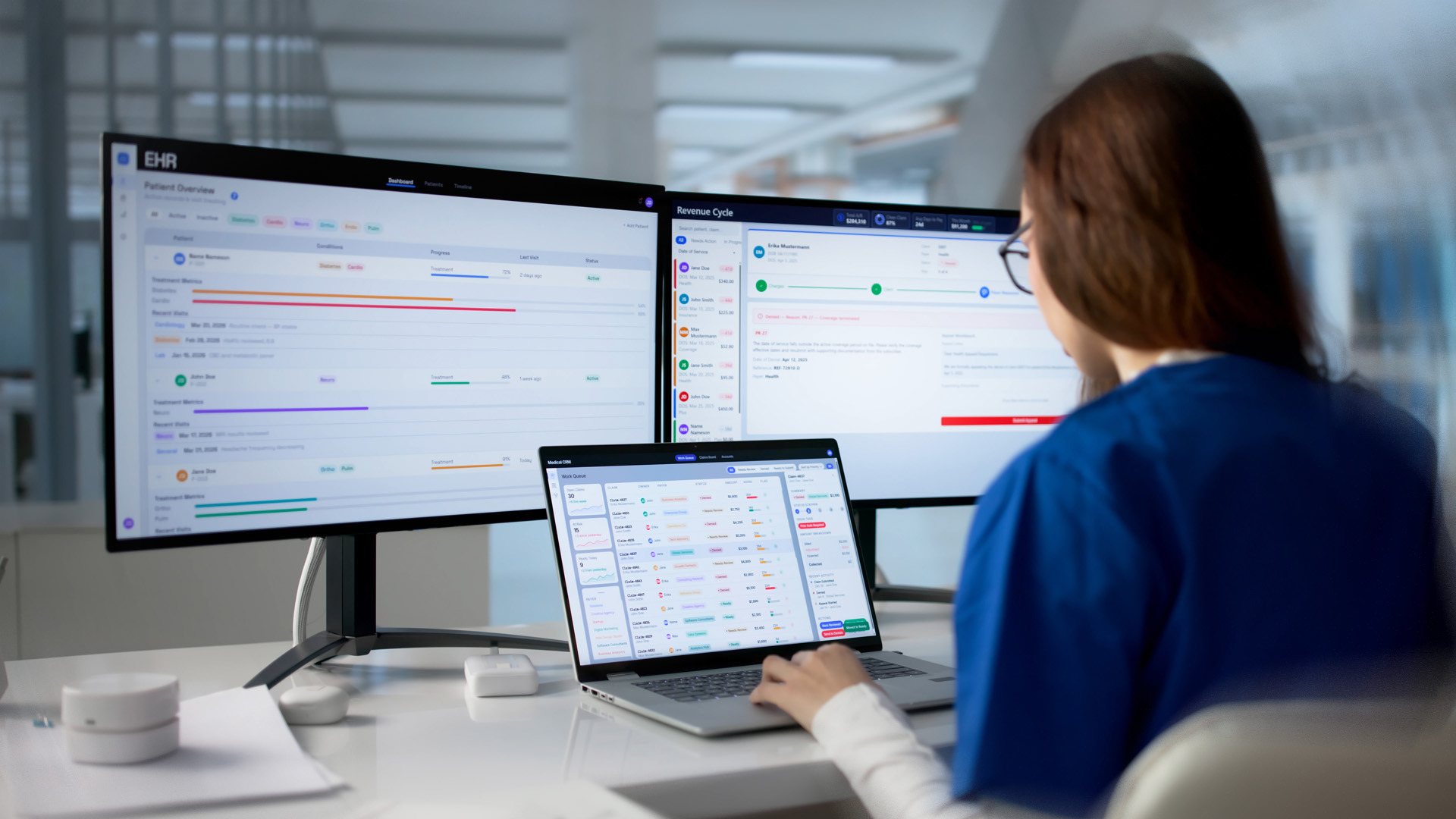
After nearly two decades leading healthcare operations and now working alongside federal health organizations on digital modernization, I’ve noticed a similar pattern. Leaders rarely struggle because they lack data. They struggle because the data hasn’t been translated into a clear course of action.
Healthcare organizations and government agencies have invested heavily in data platforms, dashboards, analytics tools, and AI. Those investments have made it easier to collect information, track performance, and identify trends. Yet even the most sophisticated dashboard inevitably brings leaders to the same question: “What should we do next?”
That question, more than any technology, should define the future of digital modernization.
When I evaluate a dashboard, I use what I like to call the “five-minute rule.” Within five minutes, a leader should be able to understand the story behind the data, determine whether outcomes are improving, and identify where attention should be focused next. If it takes longer than that, the dashboard isn’t creating clarity, it’s creating more work.
A Dashboard Shouldn’t Require Detective Work
Healthcare leaders shouldn’t have to click through multiple dashboards, compare reports, or dig through spreadsheets just to understand what’s driving performance. If they are spending their time connecting the dots themselves, then the technology is simply shifting the analysis onto the people responsible for making decisions rather than reducing complexity.
As nurses, we are taught to assess the whole patient. We do not view laboratory values, medications, assessments, and vital signs as isolated pieces of information. We connect them into a clinical picture that helps us understand what is happening, anticipate what may happen next, and determine the best course of action.
Federal health organizations need the same kind of integrated view. But achieving it requires more than a “better” dashboard. It requires domain practitioners who understand clinical care, program operations, policy, and mission outcomes working side-by-side with technology experts who understand data architecture, analytics, cybersecurity, interoperability, and AI. Neither perspective is sufficient on its own. Together, they can turn fragmented measures into decision-ready intelligence.
Prioritizing Outcomes Over Metrics
Today, health organizations track almost everything. We examine quality, operations, workforce, finance, cybersecurity, patient experience, interoperability, and digital modernization. Every initiative seems to produce another dashboard, another scorecard, and another collection of metrics. With more data at our fingertips than ever before it can be a time-consuming challenge to sift through and identify what’s actionable.
The next generation of dashboards need to be more insightful. Their purpose is to help leaders understand why something is happening, whether they’re moving closer to the outcomes they’re trying to achieve, and what they should do next. A dashboard should tell a story, not simply display information. This is where I believe AI is poised to change healthcare fundamentally.
Not because AI can generate another report or summarize another dashboard. Its greatest value is its ability to connect information that has traditionally lived in disparate systems and separate conversations. Clinical performance doesn’t exist in isolation. Neither do workforce challenges, operational efficiency, cybersecurity, financial performance, patient experience, or interoperability. They influence one another every day, yet our dashboards often present them as if they are unrelated.
AI as a Situational Context Engine
Imagine opening a dashboard that doesn’t simply report declining emergency department throughput. Instead, it identifies the factors contributing to the decline, recognizes the relationship between staffing variability, boarding times, diagnostic turnaround, and patient experience, benchmarks those trends against comparable organizations, predicts where performance is heading, and highlights the interventions most likely to improve outcomes. Now the dashboard isn’t simply displaying data. It’s connecting dots, telling a story, and providing direction. That’s the difference between reporting information and creating intelligence.
Clinicians bring the essential domain expertise, while AI does the heavy lifting of connecting disparate data and systems, identifying meaningful relationships, measuring the impact of initiatives, and surfacing insights that leaders might otherwise spend hours uncovering manually.
Leadership still provides judgment, while AI helps them see the whole picture.
As an informatics nurse, I’ve always believed that every measure should serve a purpose. If a metric doesn’t help improve patient care, strengthen operations, support the workforce, or advance the mission, then we’ve confused measurement with progress. The same principle applies to digital modernization.
Success shouldn’t be measured by how many dashboards we’ve built or how much total data we’ve collected. It should be measured by whether leaders can quickly answer four questions:
- What’s happening?
- Why is it happening?
- Is it improving outcomes?
- What should we do next?
If a dashboard can answer those questions within five minutes, it’s doing its job.